ABOUT ROB GREENFIELD

I’m a history and social science teacher and the Digital Literacy Coordinator at Newton North High School in Newton, Massachusetts.
Currently, I’m an Ed.D. candidate at Northeastern University, where my research focuses on digital literacy education.
The goal of my work is to empower kids to have healthy relationships with digital technologies through education and collaboration. Education about the individual and societal impact of digital technologies creates awareness that allows kids to confidently navigate digital spaces.
“Together, let's help kids navigate digital spaces.”
Teaching About Technology – Not Just With It
My work is grounded in a simple but critical distinction:
Educators are often encouraged to teach with technology.
Considering the prevalence of digital technologies, it has become vitally important for the health and well-being of students to teach it to them.
I focus on helping educators, students, and parents understand the individual and societal impact of smartphones, social media, and artificial intelligence so that young people can build awareness, agency, and healthier relationships with the digital tools that shape their lives.
A LITTLE ABOUT ME…
Experience in the Classroom and School Communities
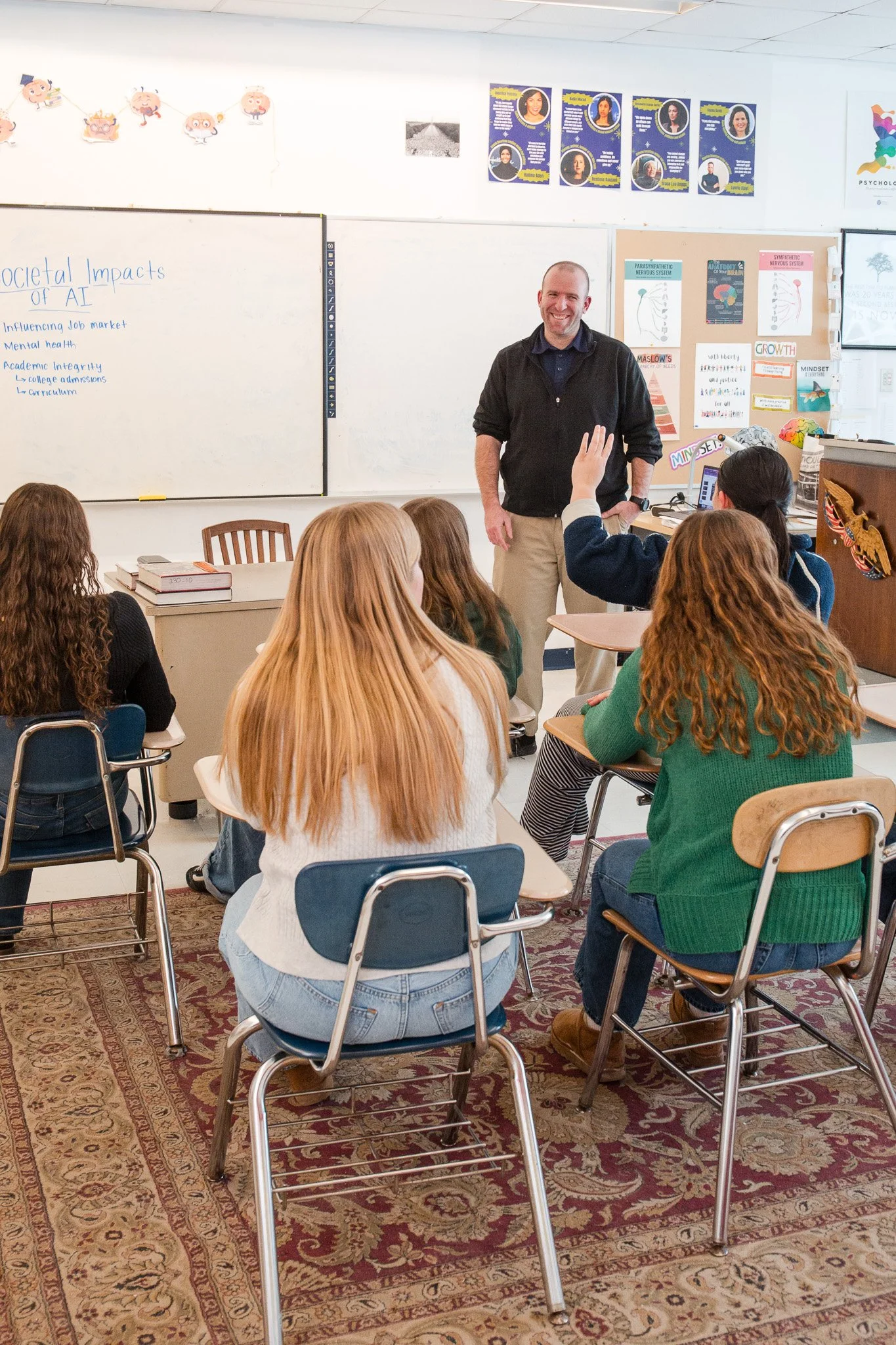
I have been teaching about digital media since 2019, when I created a full-year history and social science elective titled Digital Media and the Impact of the Internet. The course examined the individual and societal impact of digital media, with a focus on smartphones, social media, and artificial intelligence.
As Digital Literacy Coordinator at Newton North High School, I have led schoolwide seminars, grade-level presentations, and faculty professional development on topics including the impact of smartphones on student cognition and mental health, the ethical and educational implications of artificial intelligence, and how teachers can integrate AI education thoughtfully across disciplines.
I have also assisted school districts with the design and implementation of smartphone policies and have presented to parent groups on strategies for supporting healthier relationships with digital technologies at home.
“Technology shapes how we think, relate, and participate. Education helps us see it clearly.”
My Approach
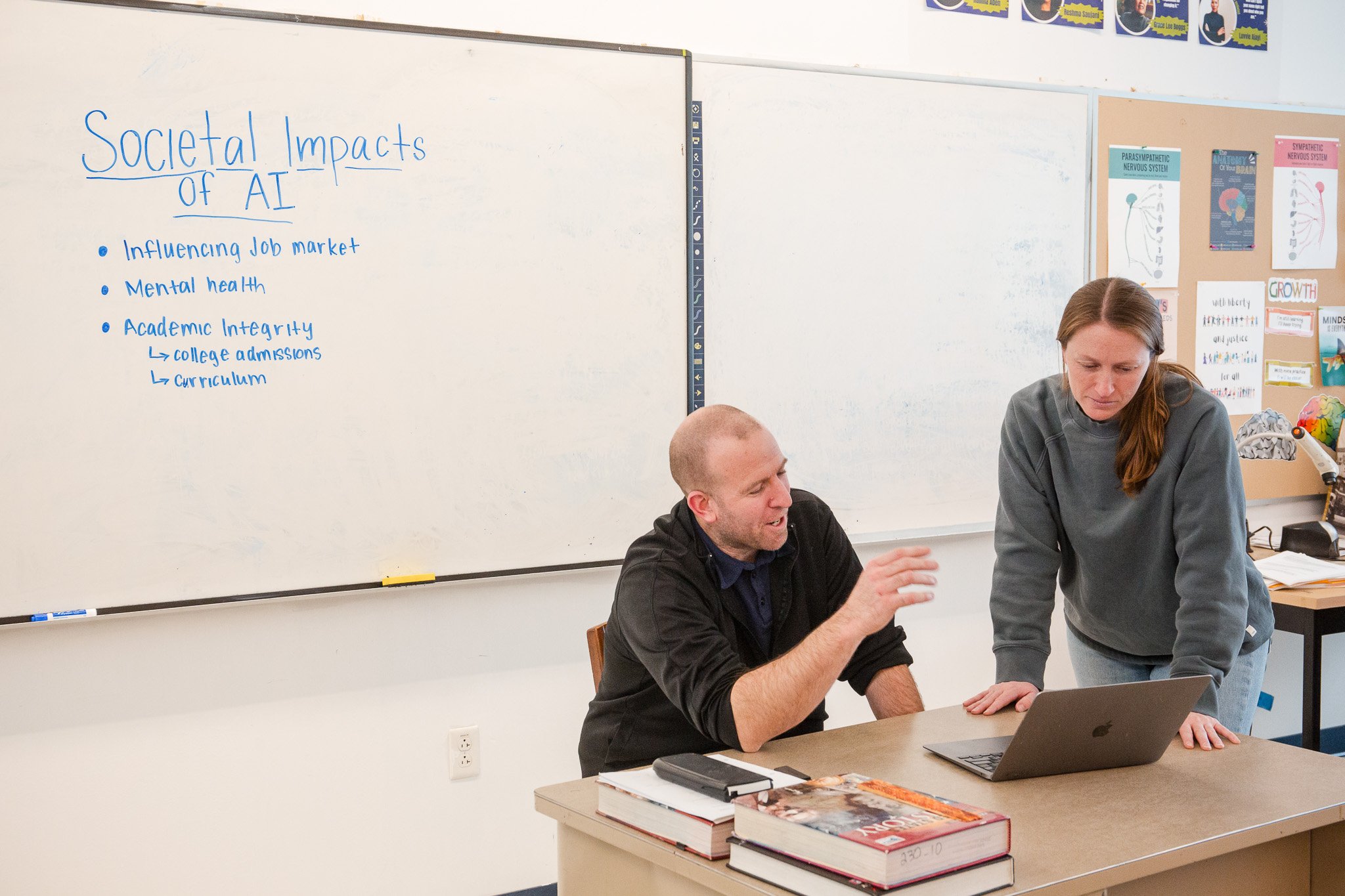
The goal of my work is to empower kids to have healthy relationships with digital technologies through education and collaboration. Education about the individual and societal impact of digital technologies creates awareness that allows kids to confidently navigate digital spaces.
This work is not about fear or restriction. It is about understanding how digital technologies shape thinking, behavior, relationships, and decision-making, both individually and collectively.
Education Creates Awareness
Collaboration With Educators, Students, and Families
The goal of this work is to invite conversation and inquiry rather than lecture and punishment, giving students and adults opportunities to examine their own digital habits without shame or judgment.
Curriculum Development, Media, and Public Engagement
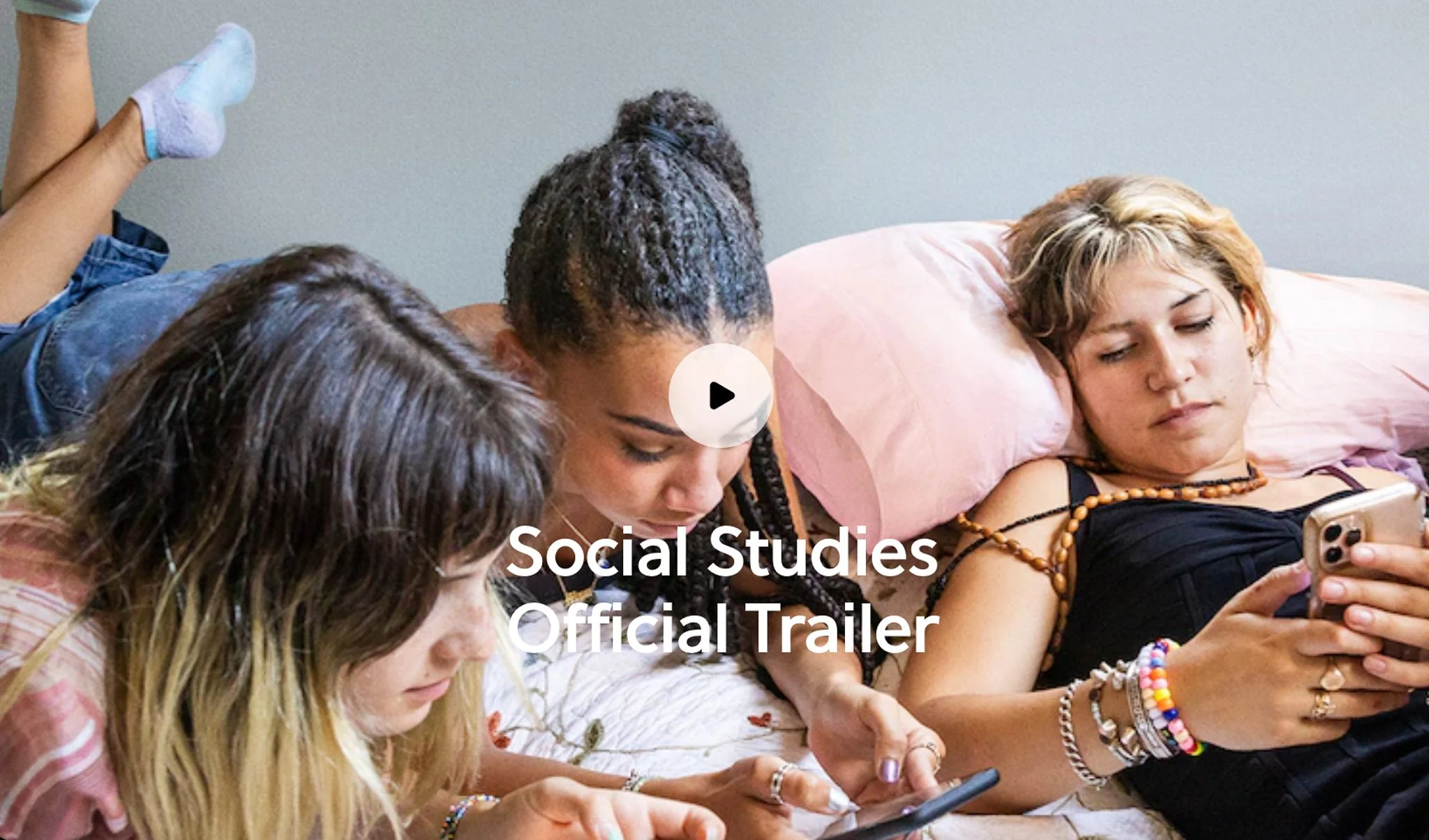
In 2024, I created a 23-part educational curriculum for Hulu’s docuseries Social Studies, which aired in the fall of 2024.
The curriculum was designed for both teachers and parents and aimed to facilitate meaningful conversations about the impact of smartphones and social media in students’ lives.
I have also developed extensive student-facing curriculum resources designed to support classroom discussion and critical thinking. These materials are flexible and intended to be adapted by educators across disciplines.
I have presented at conferences and professional gatherings across Massachusetts, including events hosted by the Massachusetts Interscholastic Athletic Association (MIAA), the New England Association of Schools and Colleges (NEASC), and Newton Public Schools’ Thrive Conference. My presentations address topics such as disinformation, social media and civic life, and the ethical and societal implications of artificial intelligence.